
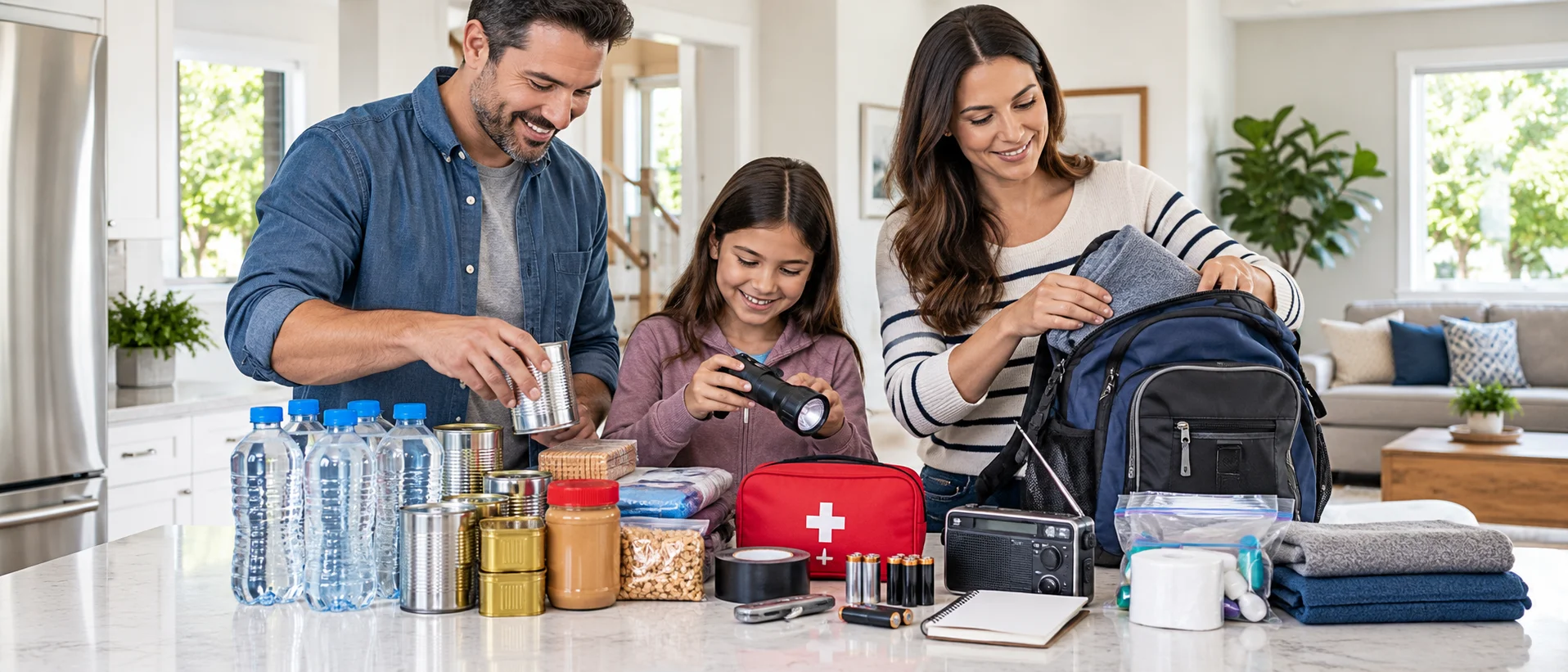
Safer choices start with awareness.
Learn simple ways to reduce the risk of injury at home, on the road and in your community — and know how to respond when an emergency happens.
Accidents are common. Many are preventable.
Accidents often happen when unsafe environments and unsafe behaviors meet. Recognizing common risks is the first step toward preventing injuries.

Why it happens
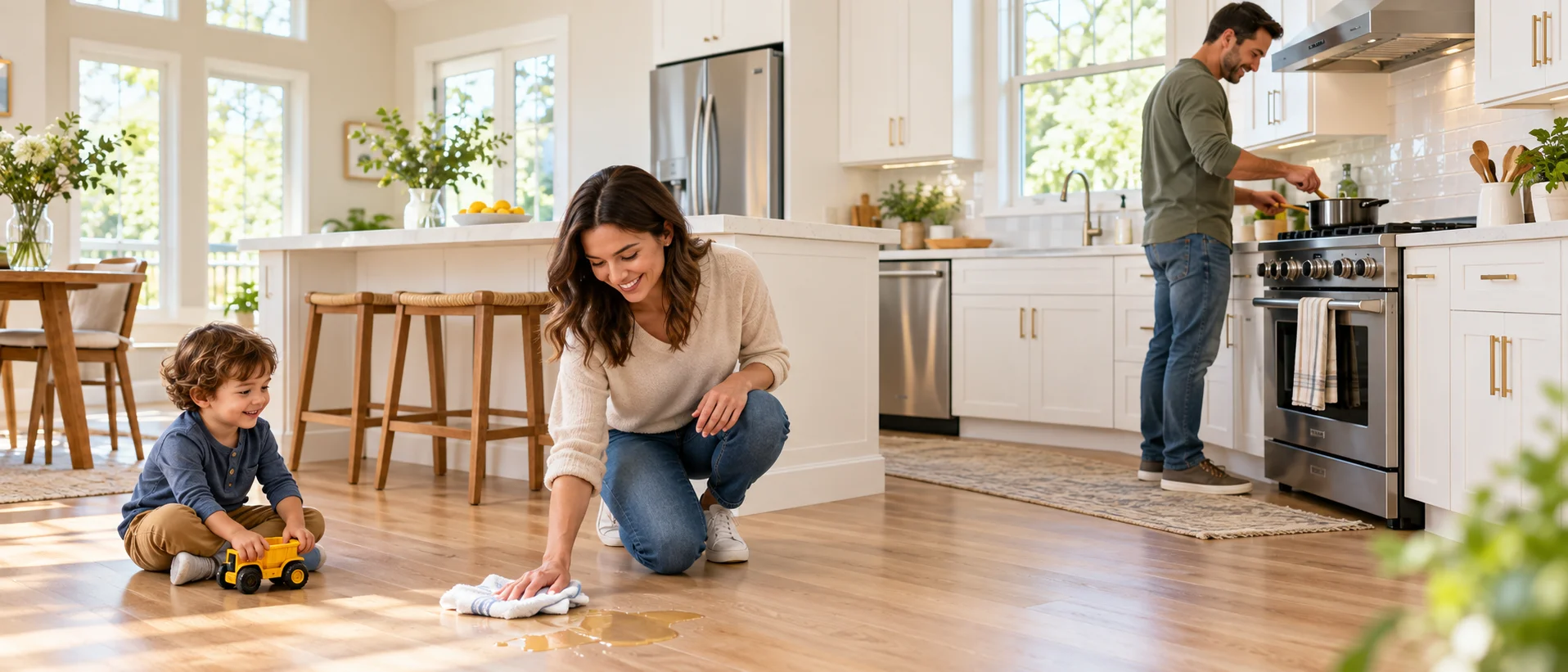
Slipping on a wet floor

Why it happens
Burns from hot stoves or cooking oil
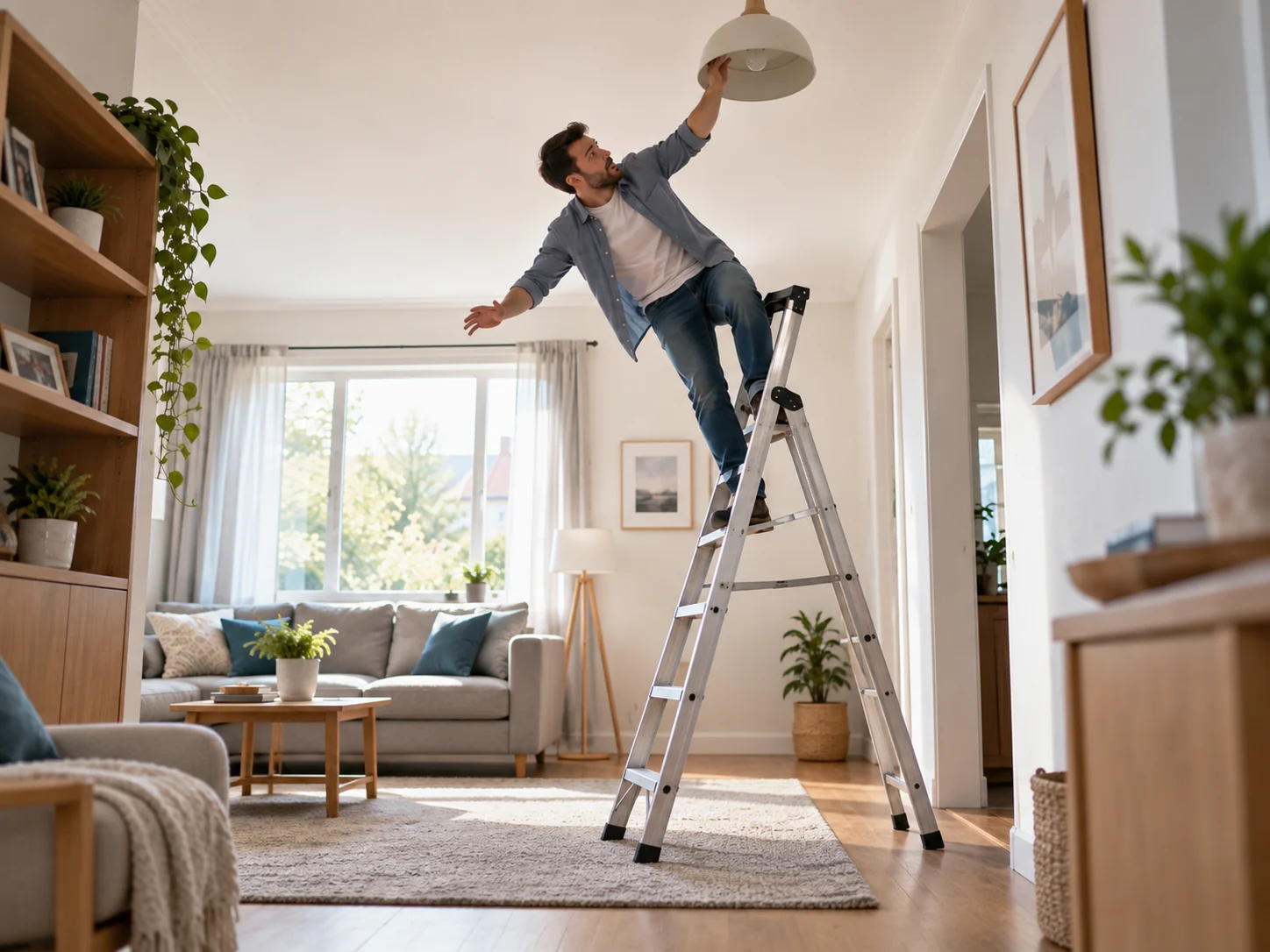
Why it happens
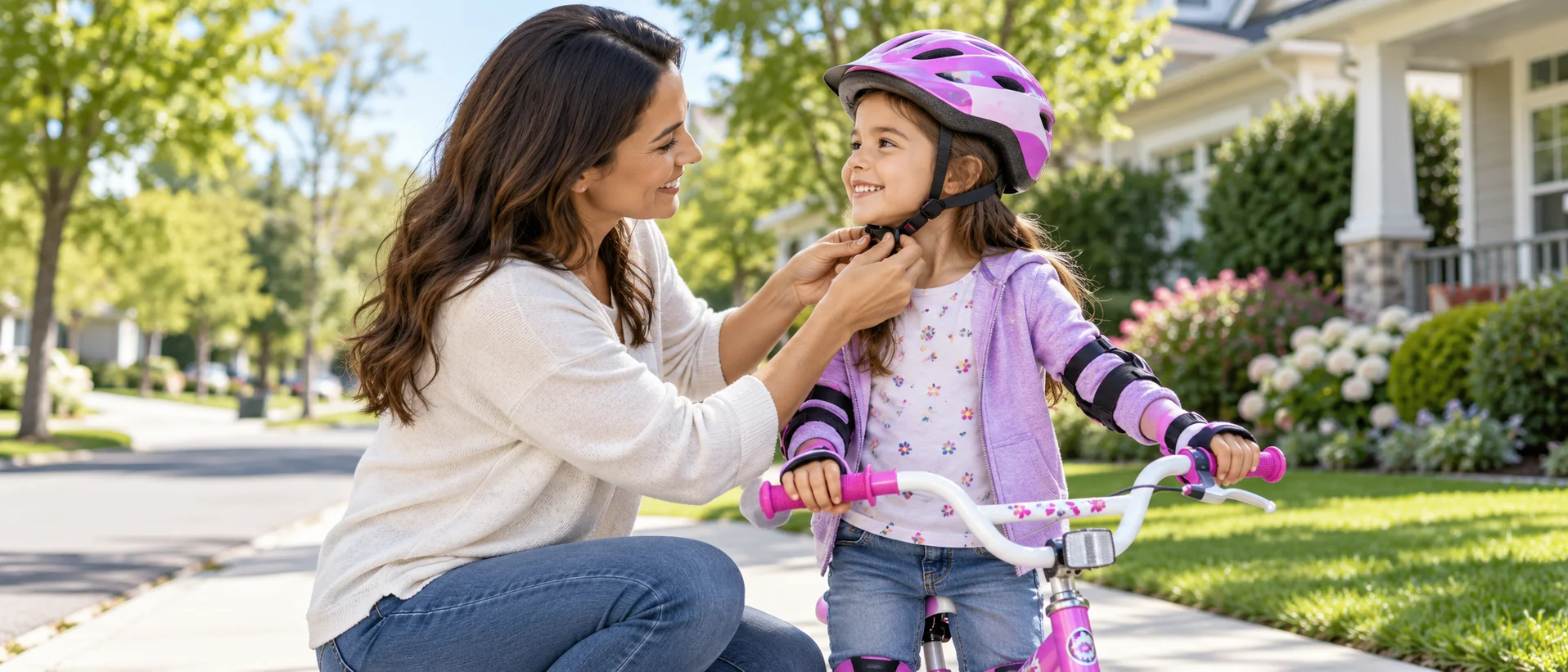
Falls from bicycles or unsafe ladders
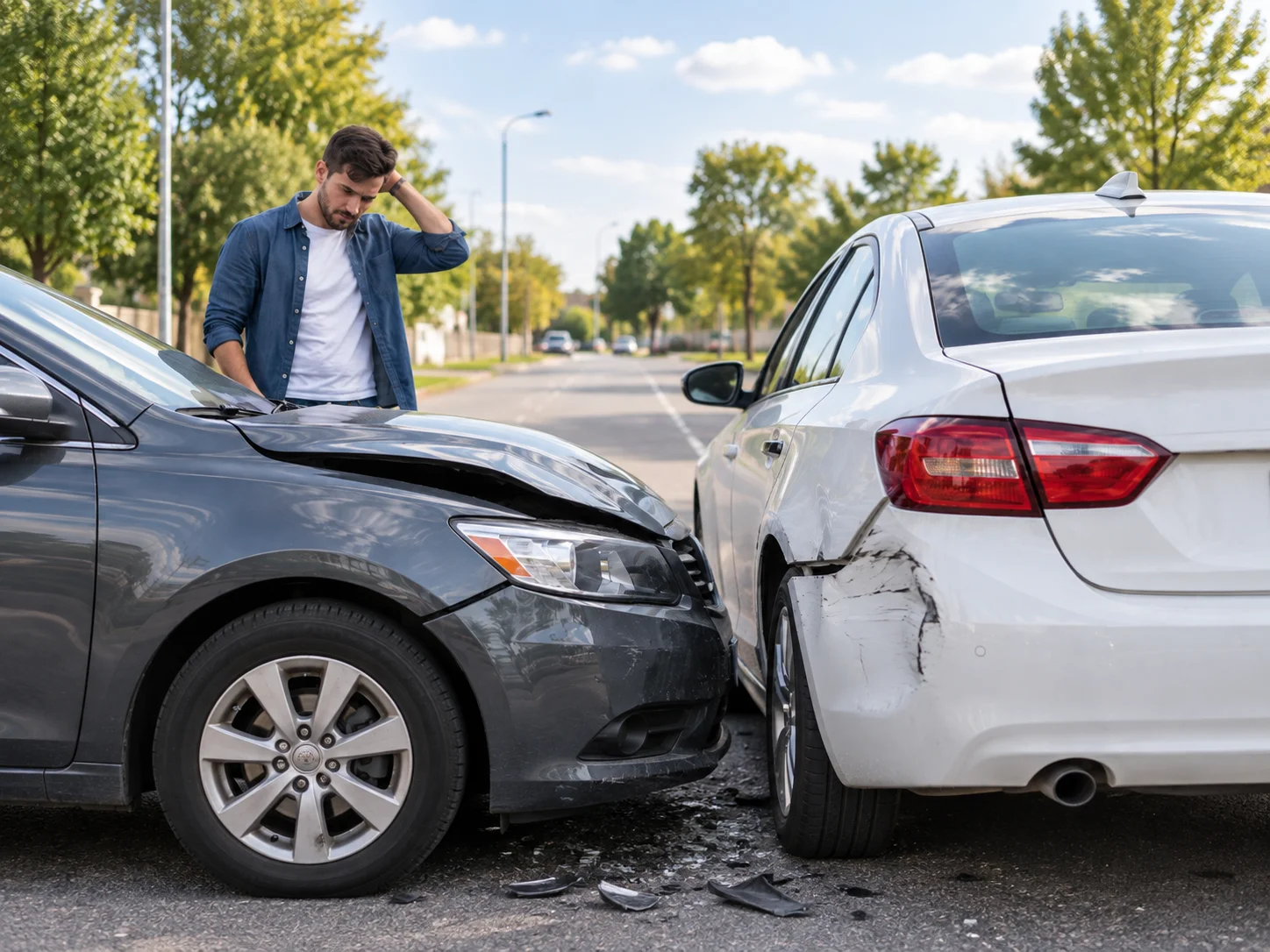
Why it happens
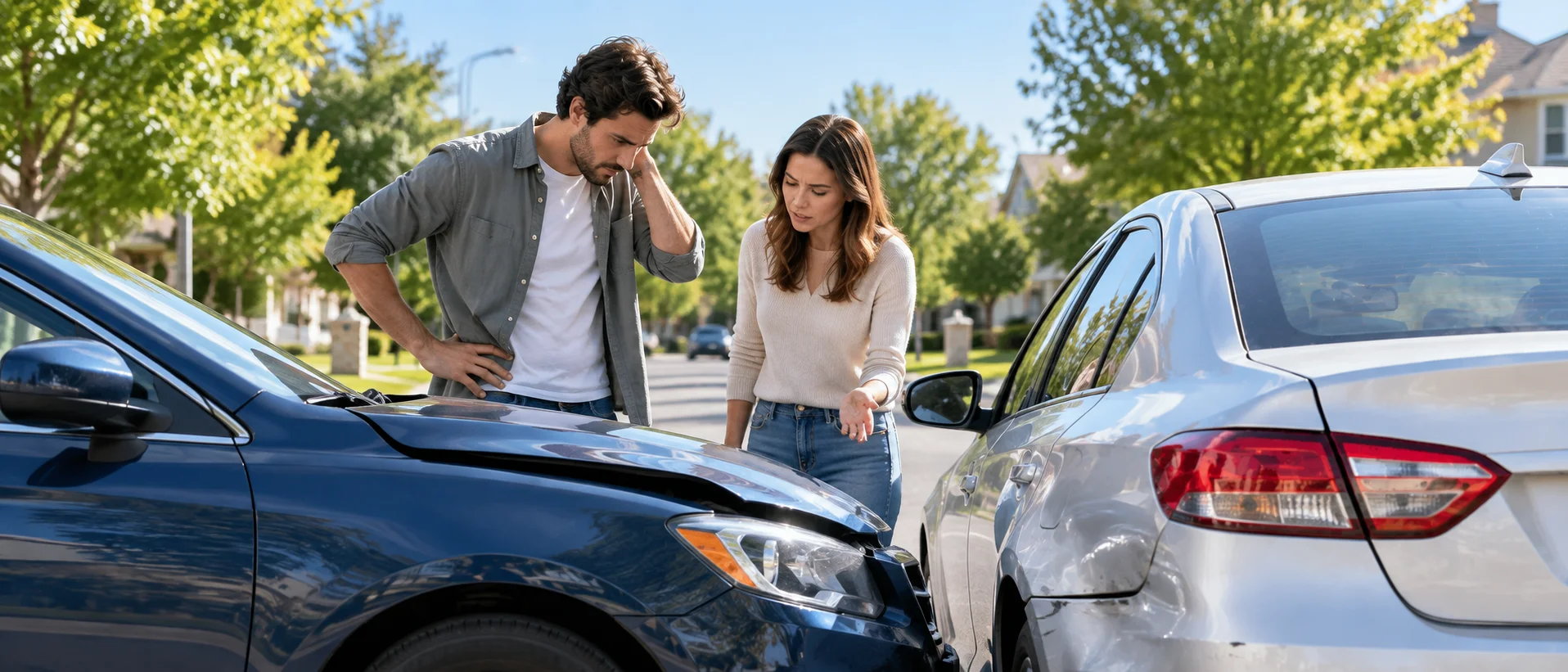
Car crashes
A small safety decision can prevent a much bigger problem.
Preventing an accident protects more than physical health. It can also reduce disruption to school, work, family life and finances.
Pain and suffering
Injuries can cause physical discomfort and emotional stress.
Missed school or work
Recovery time can interrupt education, employment and daily routines.
Emergency room visits
Serious injuries may require urgent medical care and ongoing treatment.
Financial burden
Medical expenses and time away from work can create unexpected costs.
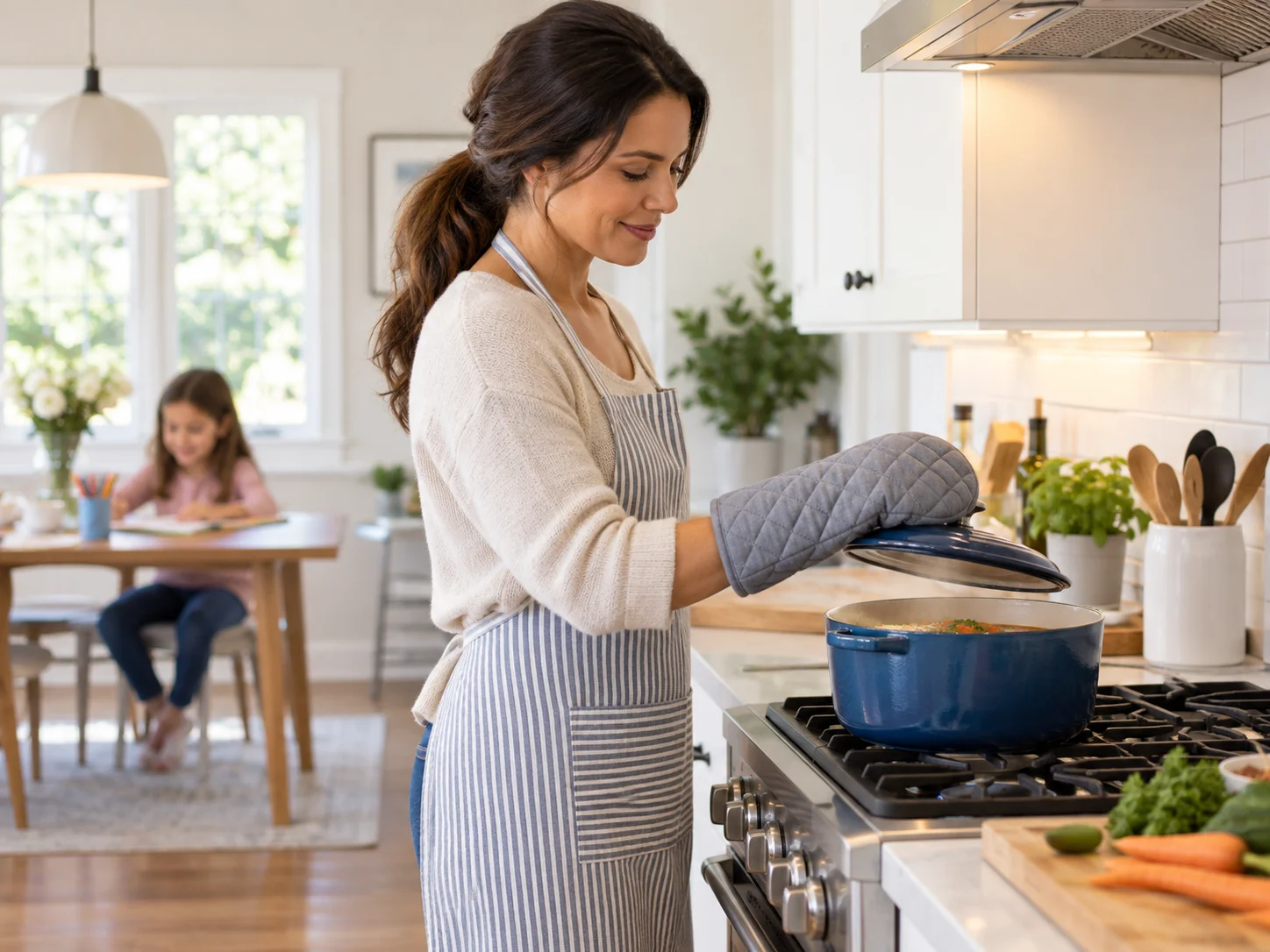
Home should feel safe — and small changes can help keep it that way.
Many injuries occur inside the home, especially among children and older adults. Common risks include falls, burns, poisoning and cuts.
Preventing Falls
Falls are one of the most common causes of injury and a major reason for emergency visits.
- Keep walkways clear.
- Clean spills immediately.
- Use handrails on stairs.
- Improve lighting.
- Secure loose rugs.
Preventing Burns
Burns can happen around hot liquids, stoves, ovens and fireplaces.
- Turn pot handles inward.
- Use oven mitts.
- Keep children away from cooking areas.
Preventing Poisoning
Cleaning products, medications and laundry products can be dangerous if swallowed.
- Store products in their original containers.
- Lock medications away.
- Never mix cleaning products.
Safe travel begins before the vehicle moves.
Many road injuries can be prevented by following basic safety rules, staying attentive and making safer choices.
Seatbelt Safety
Seatbelts help keep passengers secure, reduce severe injuries and prevent ejection during crashes.
Distracted Driving
Distracted driving happens whenever attention is taken away from the road. Even a few seconds can lead to a crash.
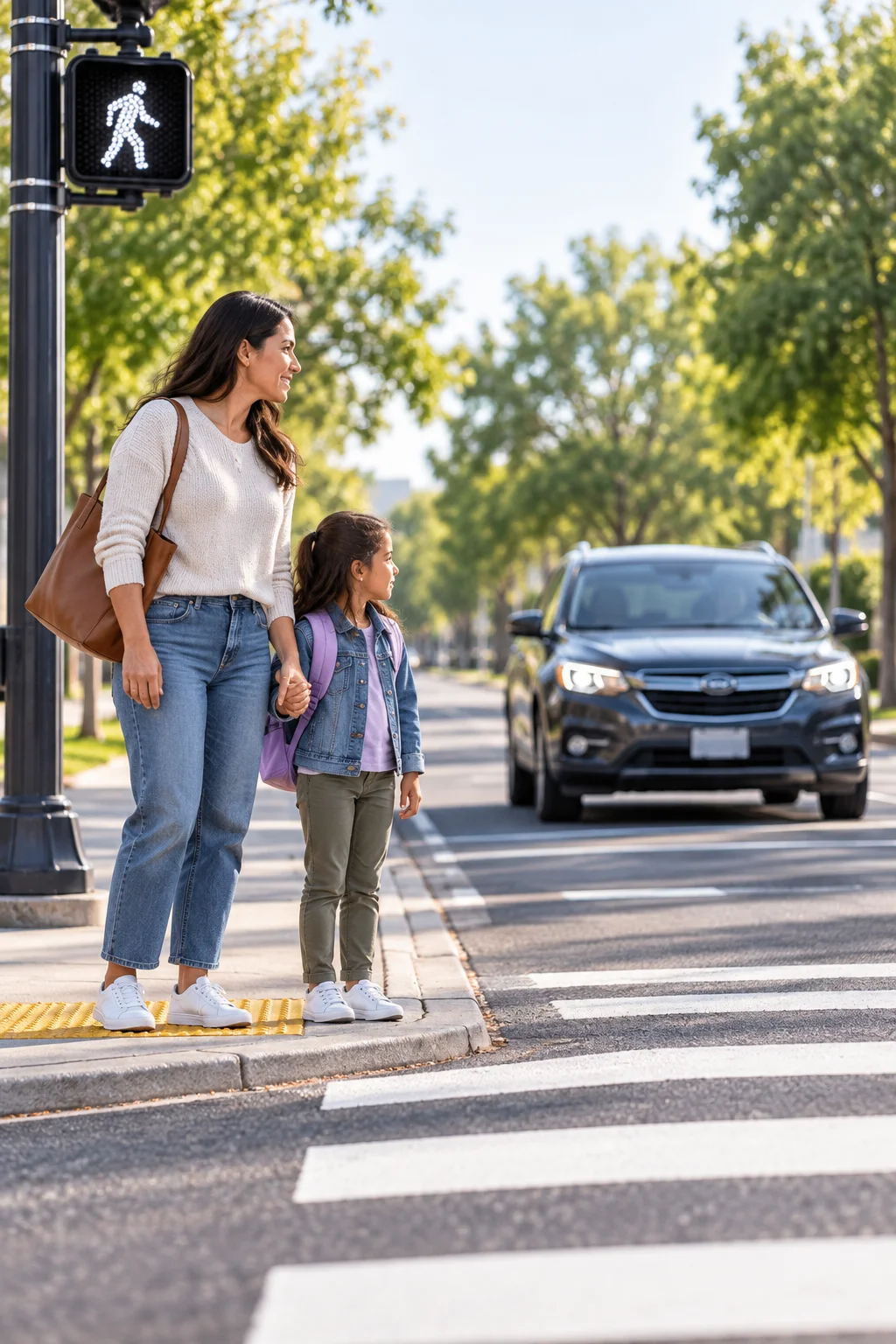
Pedestrian Safety
Stay visible, use designated walking areas and remain alert around moving vehicles.
Bicycle Safety
Protective equipment and visibility can reduce the risk of serious injury while cycling.
Prepare today. Protect your family tomorrow.
Emergencies can happen without warning. A clear plan and a few essential supplies can help you stay calm and respond more effectively.
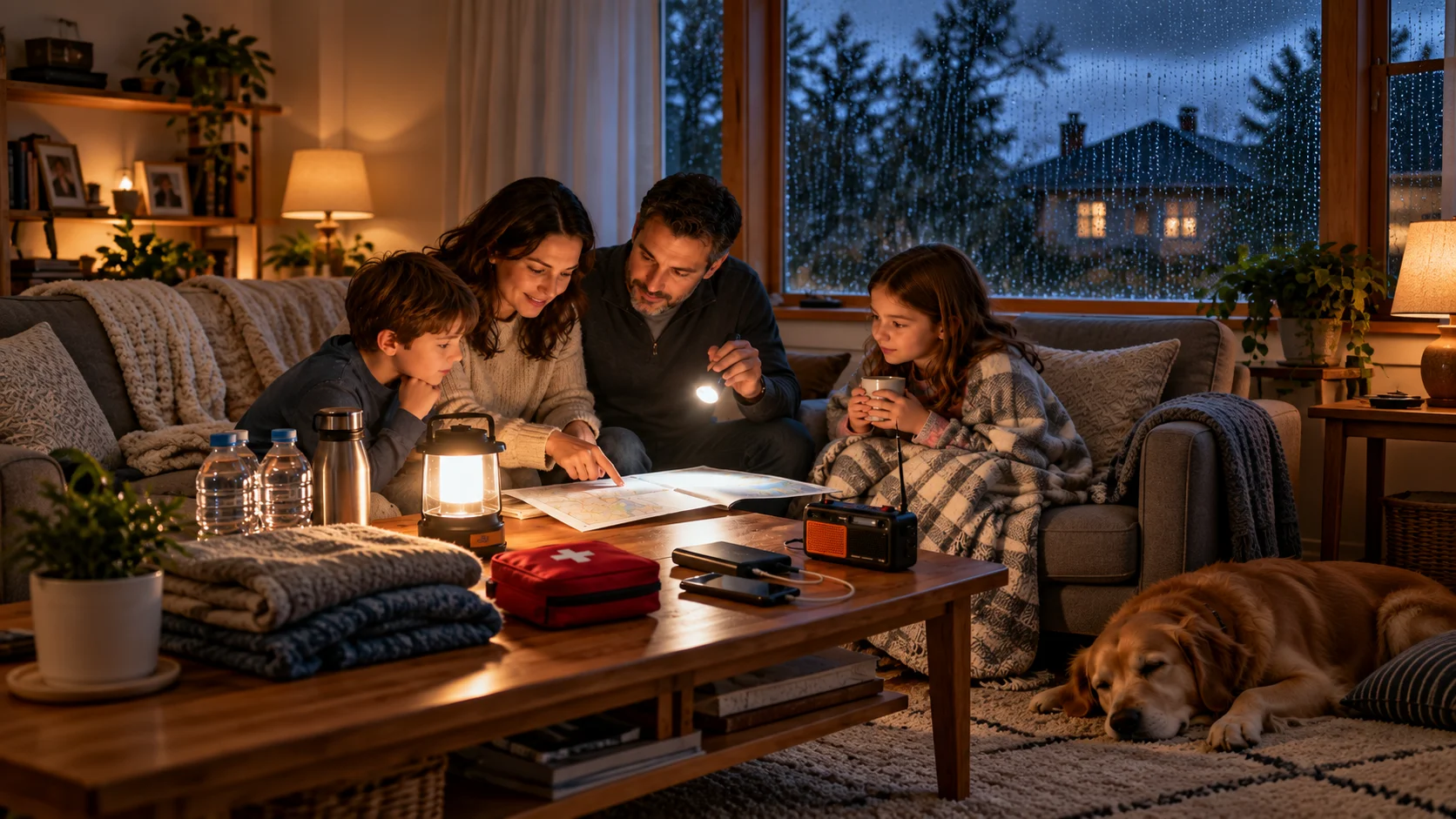
Communication Plan
Make sure every family member knows where to go and who to contact if you become separated.
Build an Emergency Kit
Keep essential items together in a location you can reach quickly.
Know the simple first steps.
Basic first aid knowledge can help you respond more confidently to minor injuries while deciding whether further medical care is needed.
For small cuts
For minor burns
Contact emergency medical services for serious symptoms.
Small habits. Smarter choices. Safer days.
Click each section to reveal practical advice you can use at home, on the road and during recreation.

At Home
Simple actions can make your home safer for everyone.
Stay Safe at Home
Keep floors and walkways clear to reduce trips and falls.
Clean spills immediately and keep wet areas clearly marked.
Keep medicines secure and away from children.

On the Road
Safe driving habits protect you, your passengers and others.
Stay Safe on the Road
Always wear your seatbelt, even during short journeys.
Keep your attention on the road and avoid using your phone while driving.
Obey speed limits, road signs and traffic regulations.

During Recreation
Prepare well, use protective equipment and follow safety guidance.
Stay Safe During Recreation
Use helmets, pads or other protective equipment whenever needed.
Read and follow activity-specific safety guidance.
Drink enough water before, during and after physical activity.
Most accidents are preventable. Knowledge and preparation can reduce risk and help save lives.
Make your home, workplace and community safer with simple, consistent habits.
Learn basic first aid and emergency preparedness so you can respond more confidently when something goes wrong.