
Exercise & Movement: Small Steps Toward Better Health
Physical activity is one of the most powerful things you can do for your health. Regular movement helps strengthen your heart, improve your mood, increase energy levels, and reduce the risk of chronic diseases.
The good news is that getting active does not require expensive equipment or a gym membership. Small, consistent steps can make a big difference to your physical and mental wellbeing.
Start moving today and take a step toward a healthier future.
What is physical activity?
Physical activity refers to any movement of the body produced by your muscles that requires energy. Every time you move, your body uses fuel from the food you eat to power your muscles.
Think of your body like a car:
Whether you’re walking, dancing, gardening, or exercising, your body is working to keep you healthy and strong.
Common Misunderstandings About Physical Activity
Daily Activities Are Not the Same as Exercise
Everyday activities such as washing dishes, carrying groceries, walking to your car, or playing with your pet involve movement and can contribute to your overall activity level.
However, exercise is planned and structured physical activity designed to improve health and fitness. Examples include brisk walking, jogging, swimming, cycling, or strength training.
You Don't Need a Gym Membership
Many people believe they need expensive equipment or a gym membership to get fit.
The truth is that your body responds to movement, not the location where it happens.
You can
The most important thing is consistency and finding activities you enjoy.
Benefits of Exercise
Regular physical activity provides benefits for both your body and mind.
Physical Benefits
- Supports a healthy heart
- Helps lower blood pressure
- Improves blood sugar control
- Strengthens bones and muscles
- Promotes better sleep
- Assists with weight management
- Increases stamina and endurance
- Improves overall physical function
Mental Health Benefits
- Reduces stress levels
- Improves mood
- Boosts energy
- Enhances concentration and focus
- Promotes emotional wellbeing
- Helps reduce symptoms of anxiety and depression
- Builds confidence and self-esteem
Types of Exercise
Different types of exercise provide different health benefits. A balanced routine should include aerobic activity, strength training, and flexibility exercises.

Aerobic (Cardio) Exercise
Aerobic exercise increases your heart rate and breathing, helping improve cardiovascular health and endurance.
Examples:
- Walking
- Jogging
- Cycling
- Swimming
- Dancing
Benefits:
- Improves heart health
- Increases endurance
- Burns calories
- Improves lung function
- Boosts energy levels
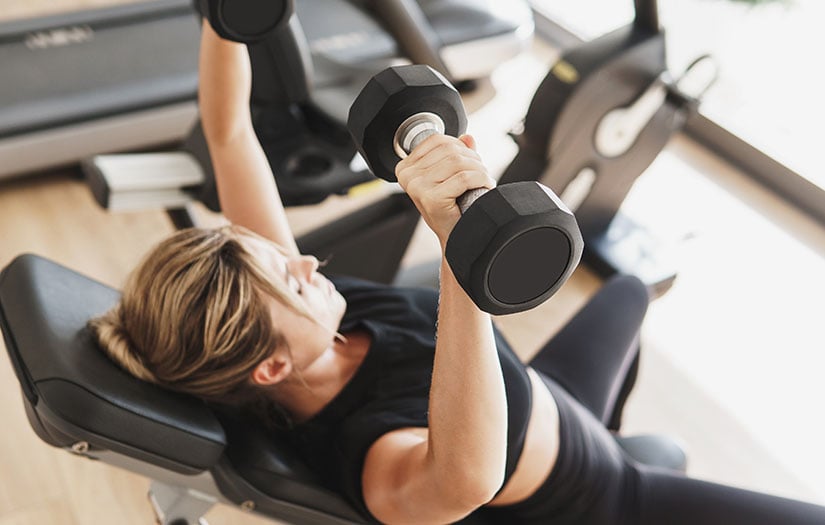
Strength Training
Strength training helps build muscle and improve overall body strength.
Examples:
- Resistance band exercises
- Bodyweight exercises
- Weightlifting
- Squats
- Push-ups
Benefits:
- Builds muscle strength
- Supports bone health
- Improves balance
- Helps prevent injuries
- Enhances daily function
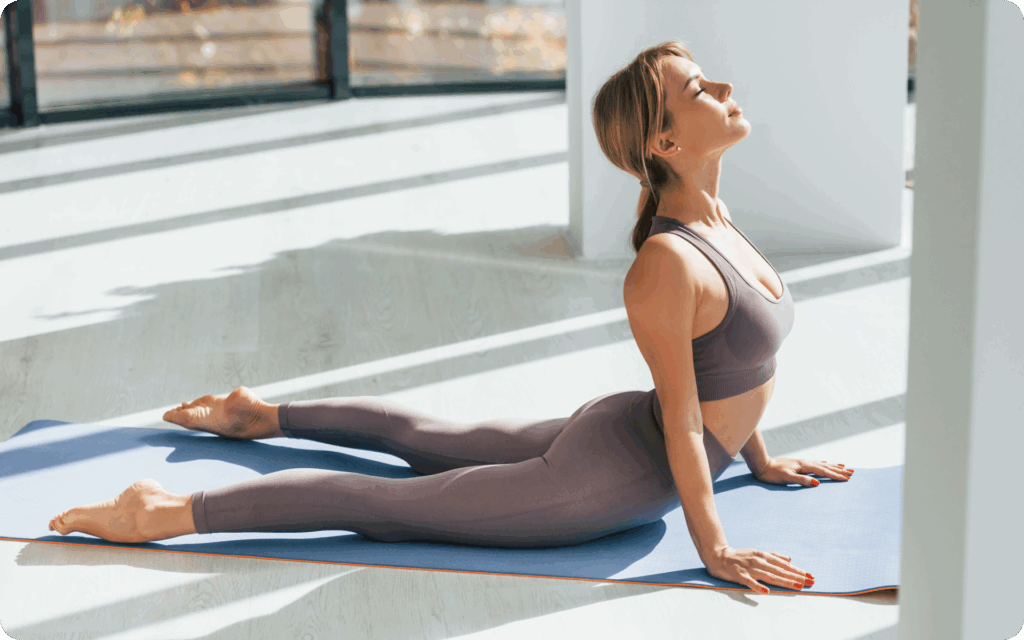
Flexibility Exercise
Flexibility exercises help improve mobility and maintain healthy joints.
Examples:
- Stretching
- Yoga
- Pilates
Benefits:
- Improves mobility
- Reduces stiffness
- Enhances posture
- Supports injury prevention
- Promotes relaxation
Exercise Safety
Staying safe while exercising helps you gain the benefits of physical activity while reducing the risk of injury.
Before You Exercise
- Consult a healthcare professional if you have existing health concerns.
- Wear comfortable clothing and supportive footwear.
- Stay hydrated before, during, and after activity.
- Warm up and stretch to prepare your muscles and joints.
Stretching can improve flexibility, increase blood flow, and help your body prepare for movement.
Stop Exercising and Seek Medical Advice If You Experience
- Chest pain
- Severe shortness of breath
- Dizziness
- Fainting
- Sudden weakness or unusual symptoms
Your safety should always come first.
Overcoming Common Barriers
“I Don't Have Time”
Even short periods of activity can improve your health.
Try:
- Three 10-minute walks throughout the day
- Short stretching sessions
- Taking active breaks between tasks
Small amounts of movement add up over time.
“I Can't Afford a Gym”
Physical activity does not need to be expensive.
Free options include:
- Walking
- Jogging
- Home workouts
- Bodyweight exercises
- Outdoor activities
“I Don't Know What To Do”
Start simple.
Walking is one of the easiest and most effective forms of exercise. It helps improve heart health, strengthen bones, and support weight management.
“I Experience Joint Pain”
Low-impact activities may be more comfortable.
Consider:
- Swimming
- Water aerobics
- Cycling
- Gentle stretching
Small amounts of movement add up over time.
Start Today
You don’t have to make big changes to improve your health. Try one of these simple actions today:
✅ Take a 10-minute walk
✅ Stretch for 5 minutes
✅ Dance to your favorite song
✅ Take the stairs instead of the elevator
✅ Walk with a friend or family member
Every step counts toward a healthier future.
Create My Exercise Goal
Set a personal goal and take the first step toward success.
Whether you want to:
- Lose weight
- Improve endurance
- Build strength
- Increase flexibility
- Improve overall health
Creating a clear goal can help you stay motivated and track your progress.
For More Information
To learn more about physical activity and exercise, explore these trusted resources:
- World Health Organization (WHO) – Physical Activity
- National Institute of Diabetes and Digestive and Kidney Diseases (NIDDK) – Physical Activity Information
- Exercise and Health Research Article
- Harvard Health – Stretching Before Exercise
This version is already optimized for direct use in a healthcare website and should fit well into cards, accordions, tabs, or section-based layouts.